
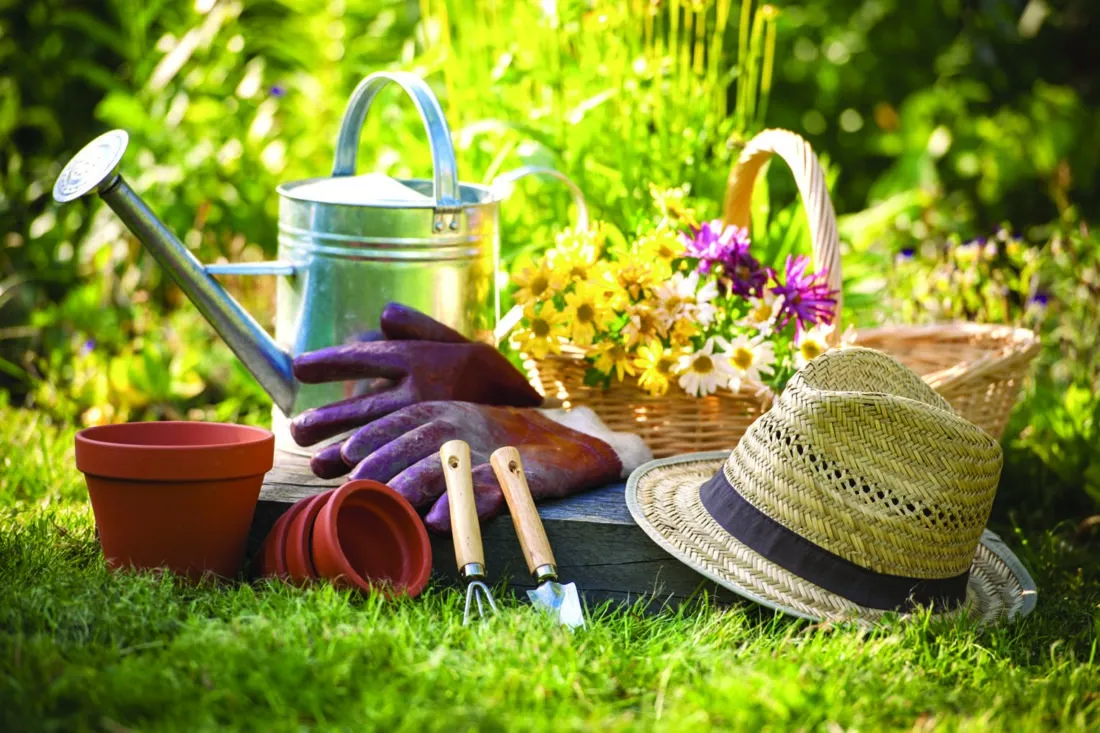
Preparing Your Garden for Spring: Essential Steps
As winter fades and the days grow warmer, it's time to start thinking about preparing your garden for spring. Effective garden preparation not only enhances the beauty of your outdoor space but also ensures a healthy and thriving garden throughout the growing season. In this guide, we’ll cover essential steps to get your garden ready for spring.
Why Garden Preparation is Important
Proper garden preparation provides numerous benefits, including:
- Improved soil health
- Enhanced plant growth
- Better pest and disease management
- Maximized yield from fruits and vegetables
- Enhanced aesthetic appeal
Essential Steps for Spring Garden Preparation
1. Clean Up Your Garden
Start by removing any debris from the winter months. This includes fallen leaves, dead plants, and any other organic matter. A clean garden helps prevent pests and diseases.
2. Assess Your Soil
Check the condition of your soil. A soil test can provide valuable information about its pH and nutrient levels. Based on the results, you may need to amend your soil with compost or fertilizers.
3. Plan Your Garden Layout
Consider what plants you want to grow this season. Plan your garden layout to ensure optimal sunlight and space for each plant type. Take into account companion planting to maximize growth and deter pests.
4. Prepare Planting Beds
Loosen the soil in your planting beds to improve aeration and drainage. You can use a shovel or a tiller for this task. Mixing in organic matter like compost will also enhance soil fertility.
5. Start Seedlings Indoors
If you plan to grow vegetables or flowers from seed, consider starting them indoors. This gives them a head start and allows you to transplant them outdoors once the risk of frost has passed.
6. Mulch Your Garden
Applying a layer of mulch helps to retain moisture, suppress weeds, and regulate soil temperature. Organic mulches, such as straw or wood chips, also improve soil quality as they decompose.
7. Watering Practices
As temperatures rise, establish a regular watering routine. Early morning is the best time to water your garden, allowing plants to absorb moisture before the day's heat.
8. Fertilize Wisely
Choose a balanced fertilizer that provides essential nutrients without overwhelming your plants. Follow the recommended application rates to avoid nutrient burn.
Common Mistakes to Avoid
While preparing your garden, be mindful of these common mistakes:
- Overlooking soil testing
- Planting too early before the last frost
- Neglecting to remove debris and old plants
- Overwatering or underwatering
- Failing to plan for plant spacing
Conclusion
Preparing your garden for spring is a vital step in ensuring a successful growing season. By following these essential steps, you can create a flourishing garden that enhances your outdoor space and provides beauty and bounty throughout the year. Remember, a little preparation goes a long way in achieving a vibrant and healthy garden.