
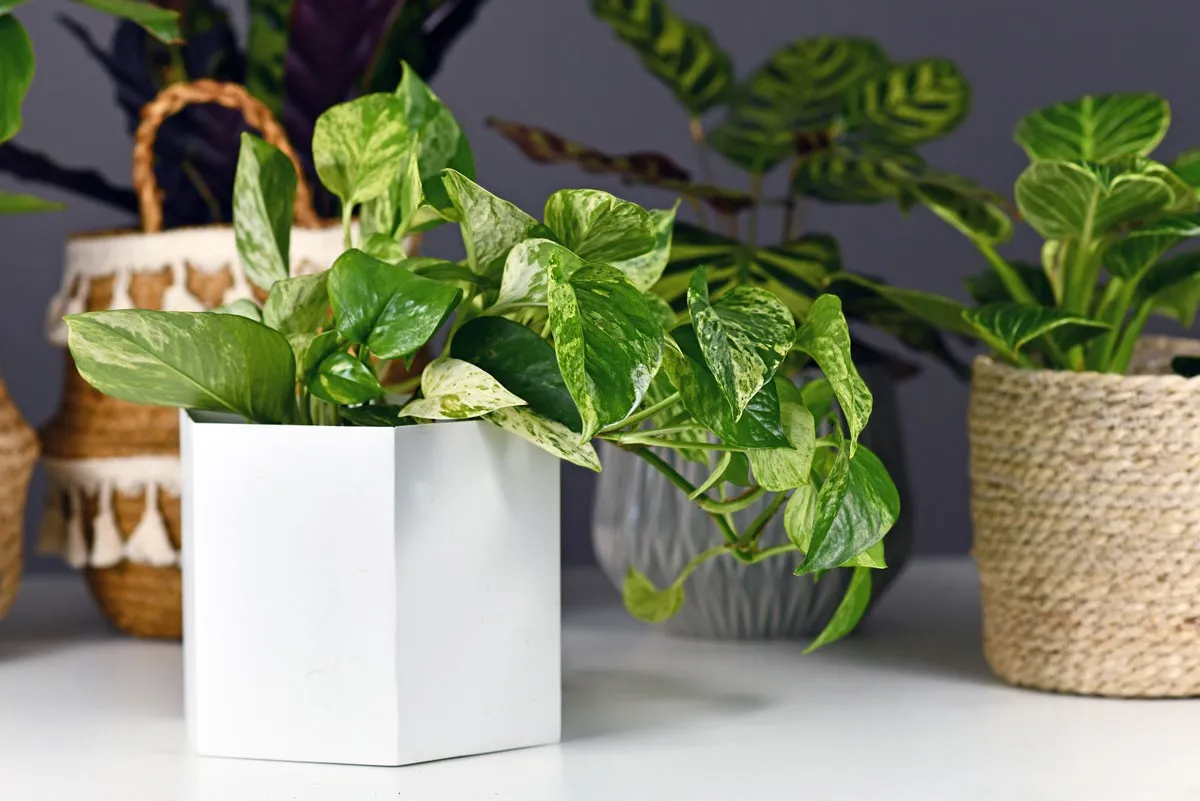
Choosing the Right Plants for Your Garden
Creating a beautiful garden starts with selecting the right plants. Whether you're a novice gardener or have years of experience, knowing which plants thrive in your environment and suit your aesthetic can make all the difference. In this guide, we will explore essential factors to consider when choosing plants for your garden, ensuring a thriving landscape that reflects your style.
Understanding Your Garden Environment
Before you start selecting plants, it’s crucial to assess the characteristics of your garden space. Here are some factors to consider:
- Soil Type: Determine if you have sandy, clay, or loamy soil.
- Sunlight: Observe how much sunlight your garden receives throughout the day.
- Climate: Understand your local climate zone and seasonal variations.
- Space: Evaluate how much space you have for planting and the size of plants.
Choosing the Right Plants
Once you have assessed your garden environment, consider the following strategies for selecting plants:
Native Plants
Opting for native plants is an excellent starting point. They are adapted to your local climate and soil conditions, making them easier to grow with less maintenance. Benefits include:
- Lower water requirements
- Natural resistance to pests and diseases
- Support for local wildlife
Seasonal Considerations
Plan your garden around seasonal changes. Choose a mix of plants that bloom at different times throughout the year to maintain visual interest. For example:
- Spring: Tulips, Daffodils
- Summer: Sunflowers, Roses
- Fall: Mums, Asters
- Winter: Evergreens, Holly
Plant Size and Growth Habits
Consider the mature size and growth habits of plants. Group taller plants in the back and shorter ones in the front for a well-structured garden layout. Additionally, be mindful of how plants spread and their potential invasiveness.
Creating a Cohesive Garden Design
A well-designed garden should have a cohesive look and feel. Here are some tips to achieve this:
- Choose a color palette: Stick to a specific range of colors for flowers and foliage.
- Incorporate texture: Mix plants with different leaf shapes and sizes for visual interest.
- Create focal points: Use larger or unique plants as focal points to draw the eye.
Maintenance and Care
Once your garden is planted, ongoing maintenance is key to its success. Consider the following:
- Watering: Establish a consistent watering schedule based on plant needs.
- Pruning: Regularly prune plants to promote healthy growth and remove dead or diseased branches.
- Fertilizing: Use organic fertilizers to enrich your soil without harming the environment.
Conclusion
Choosing the right plants for your garden is an exciting journey that can significantly enhance your outdoor space. By understanding your environment, selecting appropriate plants, and maintaining them properly, you can create a garden that flourishes and brings joy throughout the seasons. Start planning your garden today and enjoy the benefits of a well-curated landscape.